- Written & Reviewed by Jeremy
- Published
- Last Updated Nov 11, 2026
Generating new clients is one of financial advisors’ biggest challenges. Whether you run an independent financial advisory practice, manage a wealth management firm, or work as an insurance agent, finding people who are genuinely interested in your services takes time and effort.
Many financial professionals use lead lists to identify potential clients. Others prefer booked appointments, where prospects are contacted, qualified, and scheduled for a conversation. Both approaches can support business growth, but they work differently and require different levels of time, resources, and follow-up.
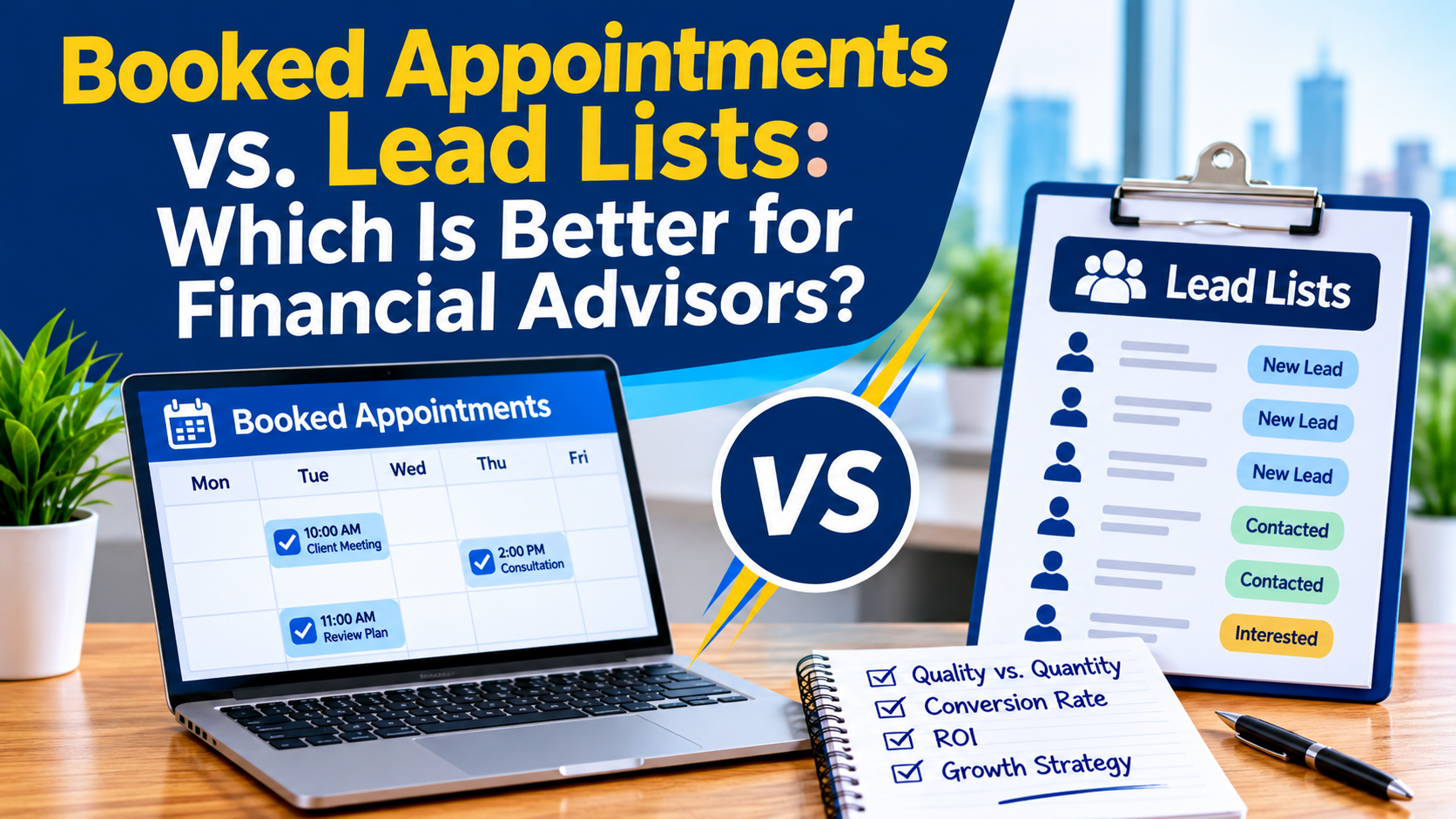
So, when comparing Booked Appointments vs. Lead Lists, which option makes more sense for financial advisors?
The answer depends on your business goals, sales process, available resources, and the type of prospects you want to reach. In this guide, we compare both approaches, explain their advantages and disadvantages, discuss costs, and help you choose the lead generation strategy that fits your financial services business.
What Is the Difference Between Booked Appointments and Lead Lists?
Booked appointments and lead lists are two different ways of connecting with potential clients.
A lead list is a collection of contact information belonging to people who may fit your target audience. It gives financial advisors a starting point for prospecting, but it does not necessarily mean those individuals are interested in scheduling a meeting. To turn potential prospects into actual appointments, financial advisors should focus on consistent communication and effective lead follow-up strategies that help build relationships and encourage prospects to book a call.
Booked appointments take the process further. Instead of simply receiving contact details, an advisor receives an opportunity to speak with a prospect at a scheduled date and time. Depending on the provider and qualification process, the prospect may have already expressed interest and agreed to discuss a particular financial need.
For example, imagine a financial advisor wants to connect with individuals approaching retirement.
With a lead list, the advisor might receive 200 names, email addresses, and phone numbers. The advisor or sales team must contact those people, introduce the services, determine their interest, and attempt to schedule meetings.
With a booked appointment service, the provider may contact suitable prospects, discuss their interest, and schedule conversations with the advisor.
The main difference is the amount of work completed before the advisor receives the prospect.
A lead list provides contacts. A booked appointment provides a scheduled conversation, subject to the quality of the qualification and confirmation process.
What Are Lead Lists for Financial Advisors?
Lead lists are databases containing information about potential customers who may be interested in financial planning, retirement planning, insurance, wealth management, or related services.
Financial advisors use these lists to identify potential prospects and build their own outreach campaigns while understanding the cost per booked appointment to improve their lead generation strategy.
Depending on the source, a lead list may include:
- Full names and contact information
- Email addresses and phone numbers
- Geographic location
- Age ranges or demographic information
- Professional or employment details
- General financial interests
- Other audience characteristics
The information available depends on the provider and how the list was collected.
How Do Financial Advisor Lead Lists Work?
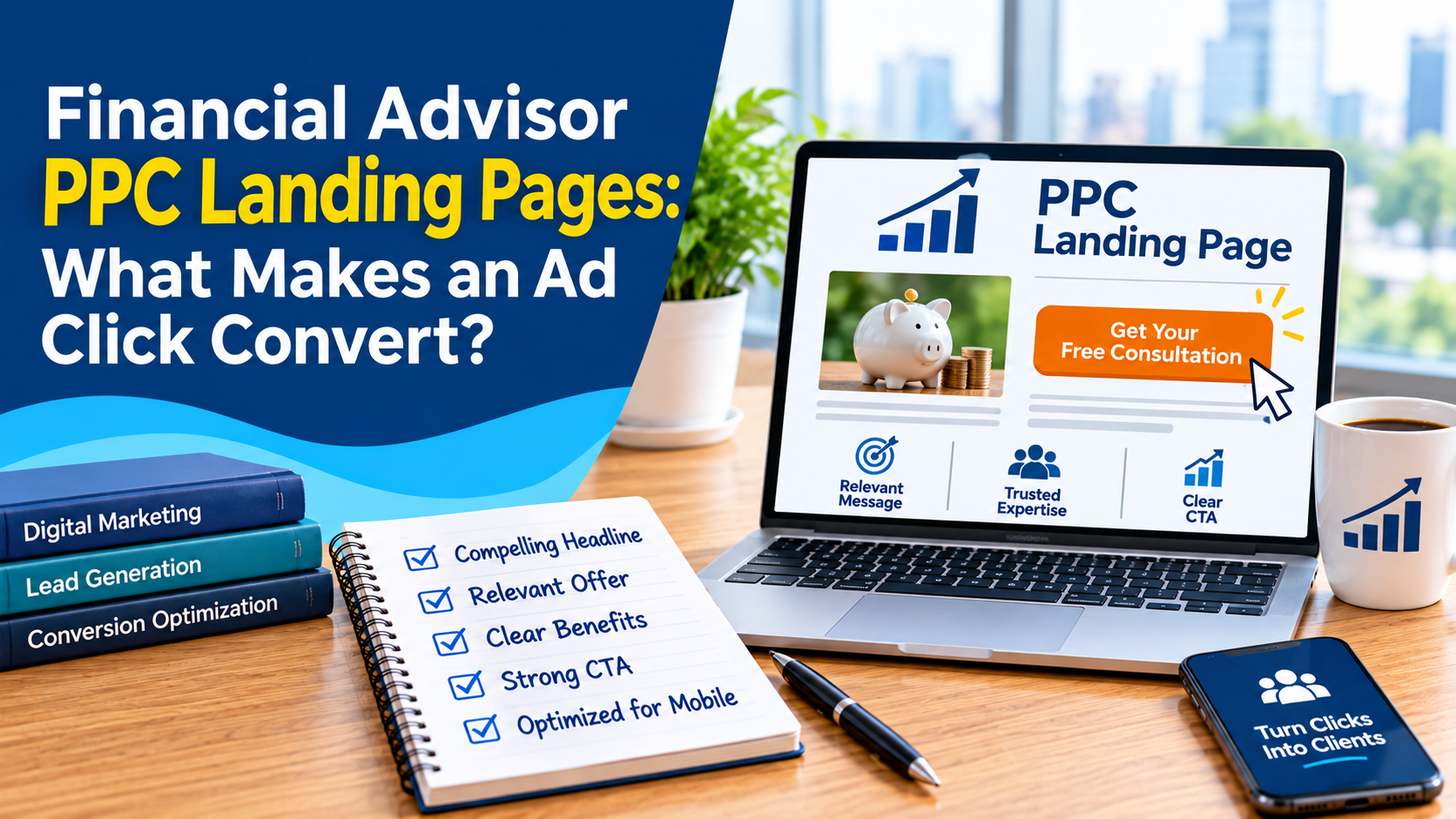
The process generally starts with identifying a target audience. For example, an advisor may want to connect with business owners, pre-retirees, federal employees, or individuals interested in retirement planning. To attract these potential clients more effectively, advisors can use financial advisor PPC landing pages designed to support targeted advertising campaigns and generate qualified leads.
A lead provider supplies contact records that match some or all of these targeting criteria.
After receiving the list, the advisor must begin the outreach process.
This may involve:
- Reviewing and organizing the contact information.
- Segmenting prospects based on their potential needs.
- Developing an outreach message.
- Contacting prospects through permitted communication channels.
- Following up with interested individuals.
- Scheduling appointments with suitable prospects.
The advisor is responsible for turning the contact information into meaningful conversations.
Advantages of Buying Lead Lists
Lead lists can be useful in several situations.
- Access to a Larger Prospect Pool
Financial advisors can quickly access a collection of potential contacts instead of building every prospect list manually.
- More Control Over Outreach
Advisors can decide how to approach prospects, what messages to use, and how frequently to follow up within applicable communication rules.
- Suitable for In-House Sales Teams
Firms with dedicated sales representatives may use lead lists to support their existing prospecting activities.
- Flexible Prospecting
Advisors can divide contacts into different audience segments and test different outreach approaches.
Disadvantages of Lead Lists
Despite these benefits, lead lists have limitations.
- Some contacts may be outdated or incorrect.
- Prospects may not remember requesting information.
- Multiple advisors may be contacting the same individuals.
- Many contacts may have little or no interest in financial services.
- Advisors must invest time in calling, emailing, and following up.
- A large list does not necessarily produce qualified appointments.
The biggest challenge is that receiving contact information does not mean receiving genuine buying interest.
What Are Booked Appointments for Financial Advisors?
Booked appointments are pre-scheduled meetings between financial advisors and potential clients who have agreed to discuss their financial needs.
Unlike lead lists, which only provide contact information, booked appointments offer an opportunity to speak directly with interested prospects. Understanding what makes a financial advisor lead qualified can help advisors focus on prospects who are more likely to need their services. This approach helps financial advisors spend less time on initial prospecting and more time building valuable client relationships.
For example, an appointment-setting provider may contact families interested in insurance, qualify their interest, and schedule a meeting with an insurance agent.
How Does Appointment Setting Work?
- Define the Target Audience: Identify potential clients based on financial needs and interests.
- Find Prospects: Identify individuals who match the advisor’s ideal client profile.
- Initial Outreach: Contact prospects through permitted communication channels.
- Qualify Interest: Check their requirements and willingness to speak.
- Schedule Meetings: Arrange appointments with interested prospects.
- Advisor Follow-Up: The advisor conducts the meeting and explores potential opportunities.
Benefits of Booked Appointments
- Saves Time: Reduces the need for manual prospecting.
- Direct Conversations: Creates opportunities to connect with interested prospects.
- Better Scheduling: Helps advisors organize their calendars.
- Structured Lead Generation: Makes prospect qualification and appointment tracking easier.
However, booked appointments do not guarantee new clients. Their success depends on prospect quality, meeting attendance, and the advisor’s follow-up process.
Booked Appointments vs. Lead Lists: Key Differences Financial Advisors Should Know
Both approaches can help financial advisors find potential clients, but they differ in how much work is completed before the prospect reaches the advisor.
Here is a side-by-side comparison.
Comparison Factor | Lead Lists | Booked Appointments |
Main purpose | Provides potential contact information | Provides scheduled meeting opportunities |
Lead qualification | May require advisor-led qualification | Qualification may happen before scheduling |
Initial contact | Usually handled by the advisor or sales team | Often handled by the appointment-setting provider |
Appointment scheduling | Advisor must schedule meetings | Meetings are scheduled in advance |
Time investment | More time spent on prospecting | Less initial prospecting work |
Follow-up requirements | Usually extensive | Still necessary after booking |
Cost structure | Often based on list size or contact volume | Often based on appointments or campaign arrangements |
Conversion opportunities | Depend on outreach and follow-up | Depend on appointment quality and advisor performance |
Best suited for | Firms with in-house prospecting resources | Firms seeking more structured meeting opportunities |
Which Option Offers Better Lead Quality?
Lead lists may contain many contacts, but not all prospects are interested or suitable for financial services. Booked appointments can offer better opportunities because prospects have agreed to speak with an advisor. To attract qualified prospects and improve conversions, financial advisors should also focus on creating a high-converting financial advisor landing page that encourages visitors to take action.
However, not every booked meeting is a qualified opportunity.
Before choosing a provider, ask about prospect qualification, meeting confirmation, and cancellation policies.
Ultimately, a few relevant appointments can be more valuable than hundreds of unresponsive leads.
Which Is More Cost-Effective: Booked Appointments or Lead Lists?
Lead lists may have a lower upfront cost, but advisors must spend additional time and money contacting prospects and scheduling meetings. Booked appointments may cost more initially but can reduce prospecting efforts.
Understanding Cost Per Lead
Cost per lead is the amount spent to acquire one potential prospect.
For example, spending $500 on 100 leads means each lead costs $5. However, not every contact will respond or become a qualified prospect.
Understanding Cost Per Appointment
Cost per appointment measures the amount spent to generate one scheduled meeting.
For example, spending $1,000 to generate 20 appointments means each appointment costs $50.
Why the Cheapest Lead Is Not Always the Best Option
Consider two examples:
- Lead Lists: Spend $400 on 200 leads and generate 8 appointments.
- Booked Appointments: Spend $1,000 and receive 20 scheduled meetings.
Although booked appointments require a higher initial investment, they may save time and create more opportunities.
The best option depends on total costs, appointment quality, and client conversion rates.
How Does Lead Quality Affect Financial Advisor Conversion Rates?
Lead quality directly affects the chances of converting prospects into clients.
A large contact list does not guarantee interested prospects. Financial advisors should focus on people who match their target audience and have relevant financial needs. Using an AI-powered client acquisition funnel for financial advisors can help streamline lead generation, identify potential clients, and attract more qualified prospects.
To improve conversions:
- Target the right audience.
- Qualify prospects before meetings.
- Respond quickly to inquiries.
- Follow up consistently.
- Personalize conversations.
- Track appointments and conversions.
Remember, booked appointments, attended meetings, and new clients are different stages of the sales process.
When Should Financial Advisors Choose Lead Lists?
Lead lists are suitable for financial firms that have the time and resources to manage their own prospecting.
They work particularly well in these situations:
1. Advisors With an In-House Sales Team
Sales teams can use lead lists to contact potential clients and generate appointments.
2. Advisors With Strong Follow-Up Systems
A structured follow-up process and CRM help manage contacts and track conversations.
3. Firms Building Their Own Prospecting Pipeline
Lead lists allow advisors to control their outreach, messaging, and targeting strategies.
4. Firms Testing Different Target Audiences
Advisors can use targeted lists to identify which audience segments respond best.
Always verify lead accuracy, data sources, and permitted use before starting outreach.
When Are Booked Appointments a Better Choice for Financial Advisors?
Booked appointments are ideal for advisors who want to spend less time prospecting and more time speaking with potential clients.
They are particularly useful for:
1. Advisors With Limited Time for Prospecting
Appointment-setting services help busy advisors reduce manual outreach and focus on client meetings.
2. Insurance Agents Seeking Qualified Appointments
Agents can connect with prospects interested in insurance coverage and financial protection.
3. Financial Firms Focused on Client Acquisition
Booked appointments create a structured process for generating and tracking potential client conversations.
4. Advisors Who Prefer Relationship-Based Selling
Scheduled meetings give advisors an opportunity to understand financial needs, build trust, and explain their services.
How Can Financial Advisors Turn Leads Into Paying Clients?
Generating leads is only the first step. Financial advisors must build trust and maintain consistent communication to convert prospects into clients.
Here are six simple ways to improve conversions:
- Respond Quickly: Contact interested prospects promptly.
- Prepare for Meetings: Review prospect information before appointments.
- Understand Their Needs: Focus on individual financial goals and concerns.
- Follow Up Consistently: Stay connected with prospects who need more time.
- Share Educational Content: Use blogs, videos, and webinars to build trust. Explore our guide on content marketing for financial advisors.
- Track Performance: Monitor leads, appointments, attendance, conversions, and acquisition costs.
What Should Financial Advisors Look for in a Lead Generation Partner?
Choosing the right lead generation partner can improve your prospecting process and create better business opportunities.
Consider these six factors before hiring an agency:
1. Clear Lead Qualification Process
Ensure the provider understands your ideal client profile and qualification requirements.
2. Appointment Verification
Check whether prospects confirm meetings and whether reminders are provided.
3. Relevant Target Audience
Choose a provider that understands your financial services niche and target market.
4. Transparent Pricing
Understand the costs, payment structure, and cancellation policies.
5. Compliance and Data Privacy
Verify how prospect information is collected, stored, and used. Ensure campaigns follow applicable regulations.
6. Reporting and Performance Tracking
Look for regular reports covering leads, booked appointments, attendance, and campaign performance.
Common Mistakes Financial Advisors Make When Buying Leads or Booking Appointments
Financial advisors can waste time and money by making avoidable lead generation mistakes.
Here are six common mistakes to avoid:
- Focusing Only on Lead Volume: More leads do not always mean better prospects.
- Choosing Based Only on Price: Compare lead quality and overall value, not just cost.
- Ignoring Qualification: Ensure prospects match your ideal client profile.
- Failing to Follow Up: Maintain consistent communication with interested prospects.
- Expecting Guaranteed Sales: Booked appointments create opportunities, not guaranteed clients.
- Ignoring Compliance: Review data privacy, consent, and applicable marketing regulations.
For more insights, read financial advisor marketing: what actually brings you clients and what doesn’t.
How to Choose the Right Lead Generation Strategy for Your Financial Advisory Business
The right strategy depends on your business goals, available resources, and prospecting process.
Choose Lead Lists If:
- You have an in-house sales team.
- You can manage outreach and follow-ups.
- You want control over prospecting.
Choose Booked Appointments If:
- You have limited time for prospecting.
- You want scheduled conversations.
- You prefer a structured appointment-setting process.
Consider Both If:
You want to combine independent prospecting with scheduled meeting opportunities.
Before investing, compare cost per appointment, attendance rates, conversion rates, and overall client acquisition costs.

Final Thoughts: Should Financial Advisors Invest in Booked Appointments or Lead Lists?
When comparing booked appointments vs. lead lists, the best choice depends on your business needs.
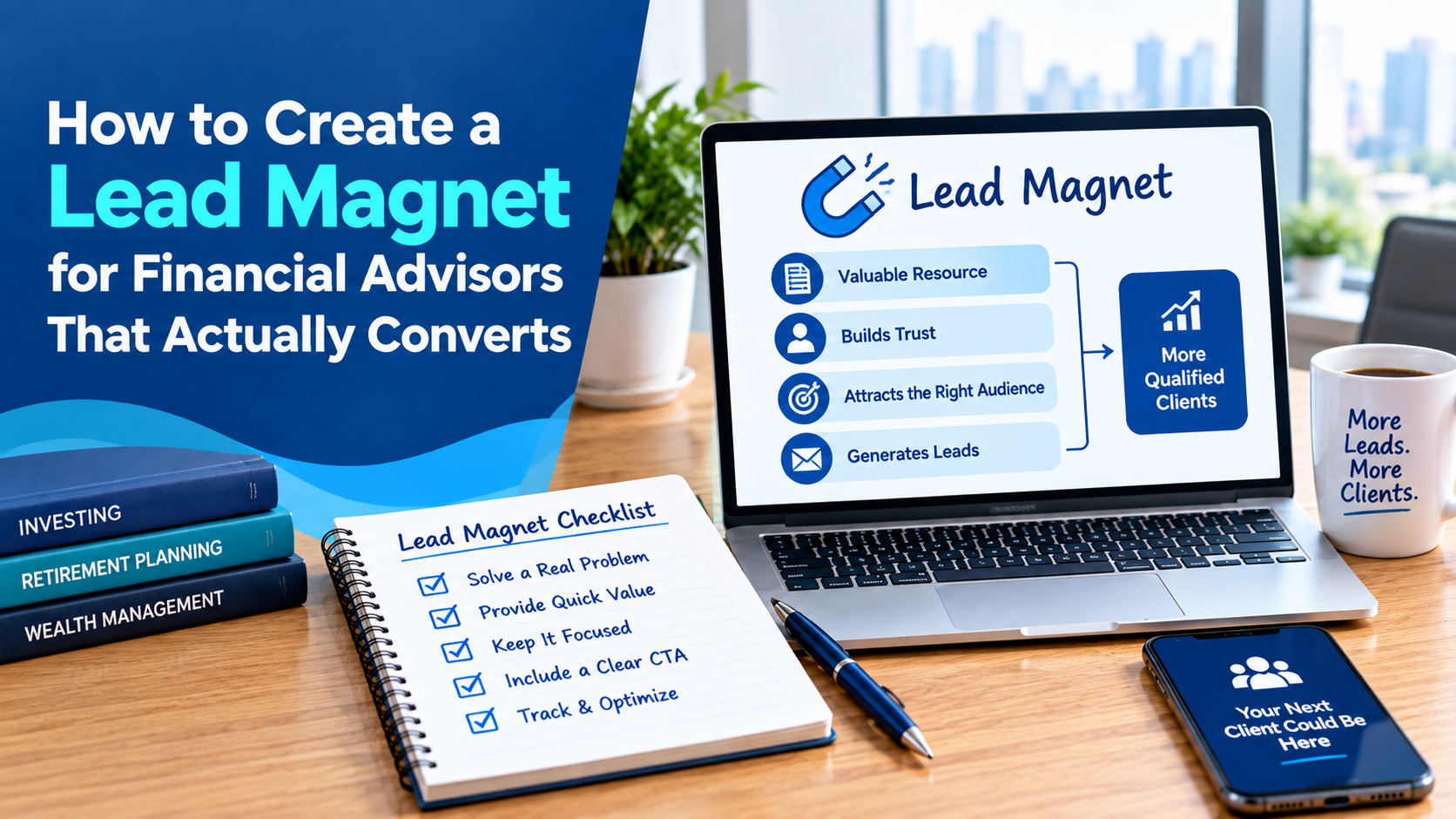
Financial advisors can improve their lead generation strategy by using a lead magnet for financial advisors to attract potential clients and build stronger relationships. While lead lists offer contact information and greater control over outreach, booked appointments help advisors focus on scheduled conversations with potential clients.
Instead of focusing only on quantity or price, prioritize lead quality, prospect interest, and conversion opportunities.
Ready to improve your financial advisor lead generation strategy? Partner with Revenx to strengthen your marketing efforts, attract qualified prospects, and create more opportunities to connect with potential clients.
FAQs About Booked Appointments vs. Lead Lists
1. What is the difference between booked appointments and lead lists?
Lead lists provide contact information for potential clients, while booked appointments provide scheduled meetings with prospects who have agreed to speak with a financial advisor. Lead lists require advisors to handle initial outreach and scheduling, whereas appointment-setting services may manage these activities before the meeting.
2. Are booked appointments better than buying leads for financial advisors?
Booked appointments may be more suitable for advisors who want to spend less time on prospecting and more time speaking with potential clients. Lead lists may work better for firms with dedicated sales teams and strong outreach systems. The right choice depends on available resources, lead quality, and business goals.
3. How much do booked appointments for financial advisors cost?
The cost depends on the appointment-setting provider, target audience, qualification requirements, campaign size, and service arrangement. Some providers charge per appointment, while others offer monthly campaign packages. Advisors should compare the total campaign cost with the number of qualified and attended appointments.
4. Are purchased financial advisor leads worth it?
Purchased leads can be worthwhile when the contact information is accurate, relevant, legally obtained, and aligned with the advisor’s target audience. However, firms should consider the additional time and expenses required for outreach and follow-up before purchasing a list.
5. What makes a financial advisor lead qualified?
A qualified lead generally matches the advisor’s target audience, has a relevant financial need or interest, and is willing to discuss potential solutions. Qualification criteria may also include location, service requirements, financial goals, and willingness to schedule a conversation.