- Written & Reviewed by Jeremy
- Published
- Last Updated Oct 14, 2026
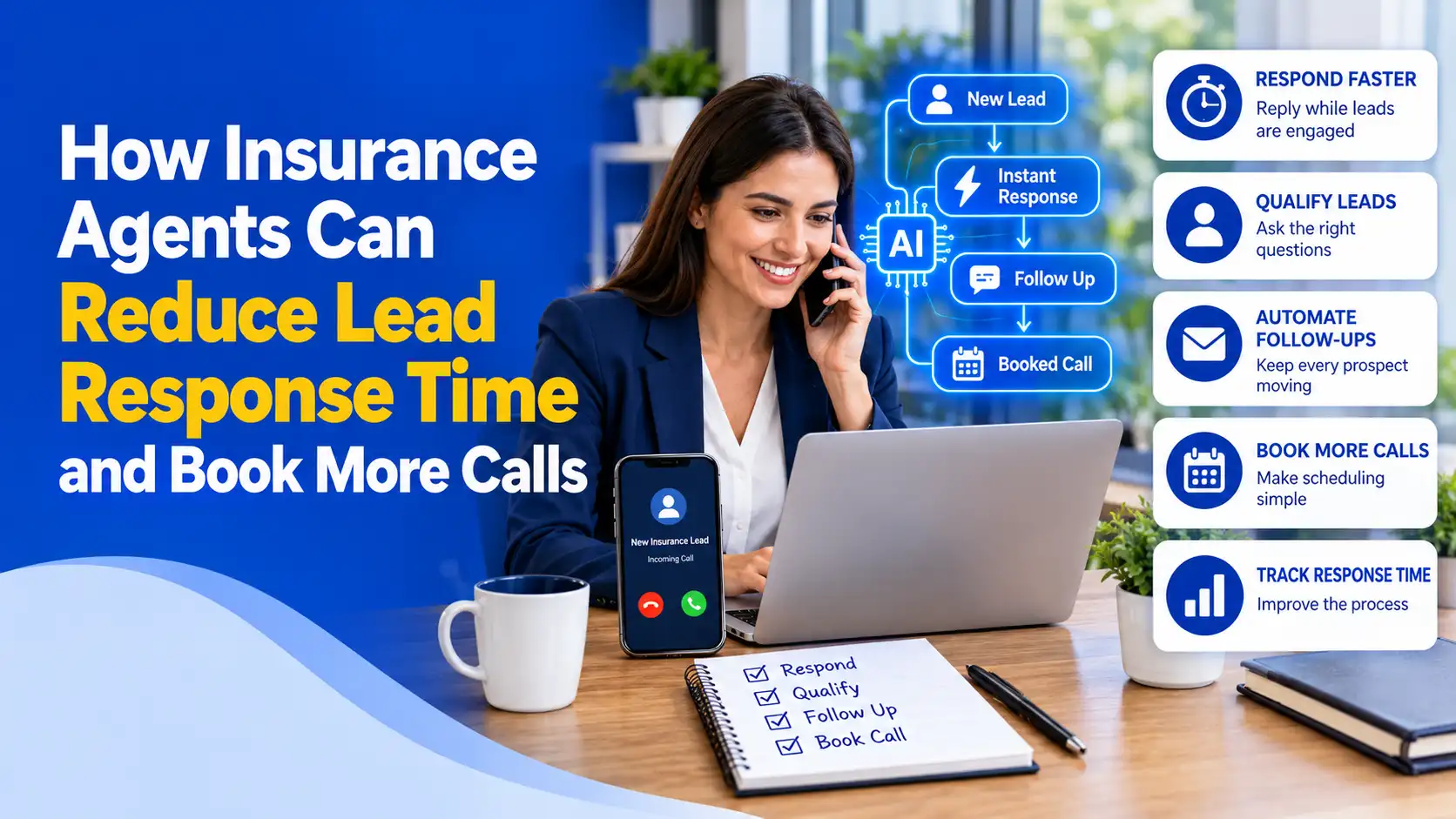
Insurance agents spend time and money generating leads, but getting an inquiry is only the beginning. When prospects wait too long for a response, receive generic messages, or never hear back after their first inquiry, opportunities can be lost before a meaningful conversation takes place.
Insurance lead follow-up is the process of contacting, qualifying, and nurturing potential insurance customers after they express interest in a product or service. A structured follow-up process helps agents respond promptly, understand prospects’ needs, and turn suitable inquiries into scheduled calls.
The goal is not simply to contact more people. It is to connect with the right prospects at the right time, provide relevant information, and make booking a conversation easy.
In this guide, we will explore how insurance agents can reduce lead response time, build a consistent follow-up process, use automation effectively, and improve the number of qualified appointments they book. Agents can also explore these insurance agent marketing ideas to strengthen their outreach, attract potential clients, and support long-term business growth.
What Is Insurance Lead Follow-Up?
Insurance lead follow-up involves the communication and actions taken after someone expresses interest in an insurance product, requests a quote, completes a form, or responds to a marketing campaign.
The process can include phone calls, emails, permitted text messages, qualification questions, appointment reminders, and ongoing communication with prospects who are not ready to speak immediately.
For example, someone may submit a form asking about life insurance coverage. The agent can acknowledge the inquiry, contact the prospect to understand their needs, answer initial questions, and schedule a consultation if appropriate. Regular email communication can also help maintain engagement with potential clients. For more ideas, explore these financial advisor newsletter ideas to support ongoing communication and relationship building.
Effective follow-up has three main objectives:
- Start a conversation: Respond while the inquiry is still relevant to the prospect.
- Understand the prospect: Determine what they are looking for and whether the agent can help.
- Move toward a clear next step: Arrange a call, provide requested information, or schedule appropriate future contact.
A well-organized insurance lead follow-up process gives every inquiry a clear next action instead of leaving agents to remember whom to contact.
Why Does Lead Response Time Matter for Insurance Agents?
When someone requests an insurance quote or asks about coverage, they may be comparing several providers or researching different options. A delayed response can make it harder for an agent to begin a conversation while the prospect is actively interested.
Response time also affects the prospect’s first impression. A timely, relevant acknowledgment can demonstrate that the agency is organized and attentive.
However, responding quickly does not guarantee that a lead will become a customer. The prospect’s needs, budget, eligibility, timing, and confidence in the agent all influence the outcome.
The impact of slow responses
A slow or inconsistent process can create several problems:
- Lost opportunities: Prospects may contact another agent before receiving a response.
- Lower contact rates: Interest may decline as time passes.
- Wasted marketing spend: Paid leads can go unused when inquiries are not handled promptly.
- Poor prospect experience: People may feel ignored when nobody acknowledges their requests.
- Missed appointments: Without reminders and clear scheduling, interested prospects may never book a call.
The solution is to establish a realistic response-time target, assign responsibility for new inquiries, and use notifications or automation to prevent leads from being overlooked. A regular SEO audit for financial advisors can also help identify opportunities to improve website performance, attract relevant prospects, and support a more effective lead-generation strategy.
What Causes Insurance Agents to Lose Potential Clients?
Insurance agents can lose potential clients when leads are not handled promptly or consistently. Common reasons include:
1. Delayed First Contact
Late responses can cause prospects to lose interest or contact another agent.
2. Inconsistent Follow-Up
Without a clear process, agents may forget to follow up with interested prospects.
3. Generic Messages
Irrelevant messages can make prospects feel overlooked and reduce engagement.
4. Poor Lead Management
Disorganized records and disconnected tools make tracking inquiries difficult.
5. Complicated Appointment Booking
Too many scheduling steps can discourage prospects from booking a call.
A clear follow-up process, organized lead tracking, personalized communication, and easy appointment scheduling can help insurance agents manage leads more effectively.
How to Build an Effective Insurance Lead Follow-Up Process
A clear follow-up process helps insurance agents manage inquiries, stay organized, and book more calls.
Step 1: Capture Every Inquiry
Record contact details, lead source, inquiry date, and insurance interests in a centralized system.
Step 2: Acknowledge the Inquiry
Confirm receipt promptly using an appropriate communication channel.
Step 3: Assign Responsibility
Ensure every lead has a designated agent responsible for follow-up.
Step 4: Contact the Prospect
Respond with a relevant, personalized message that addresses the prospect’s request.
Step 5: Qualify and Schedule
Understand the prospect’s needs and offer a suitable appointment when appropriate.
Step 6: Track the Outcome
Record responses, booked calls, and next steps to prevent missed opportunities.
A consistent process helps insurance agents improve follow-up, manage leads efficiently, and create more opportunities for meaningful conversations. Understanding the difference between organic leads and paid leads can also help insurance agencies choose suitable lead-generation strategies and build a more consistent pipeline of potential clients.
How Can Insurance Agents Respond to Leads Faster?
Insurance agents can reduce response time by using simple systems that help them act on new inquiries quickly and consistently.
1. Set Response-Time Targets
Establish clear targets for acknowledging and contacting new leads, then track actual response times.
2. Use Instant Notifications
Enable alerts from website forms, advertising platforms, and CRM systems to avoid missing new inquiries.
3. Prepare Response Templates
Use approved templates for common inquiries, personalizing each message to match the prospect’s needs.
4. Simplify Appointment Booking
Offer clear appointment options or a booking link to reduce scheduling delays.
5. Arrange Backup Coverage
Assign another team member to handle inquiries when the primary agent is unavailable.
These steps help insurance agencies respond more efficiently, maintain consistent communication, and create more opportunities to book qualified calls.
How Does Automated Insurance Lead Follow-Up Work?
Automated insurance lead follow-up uses software to handle routine steps in the communication and appointment-setting process.
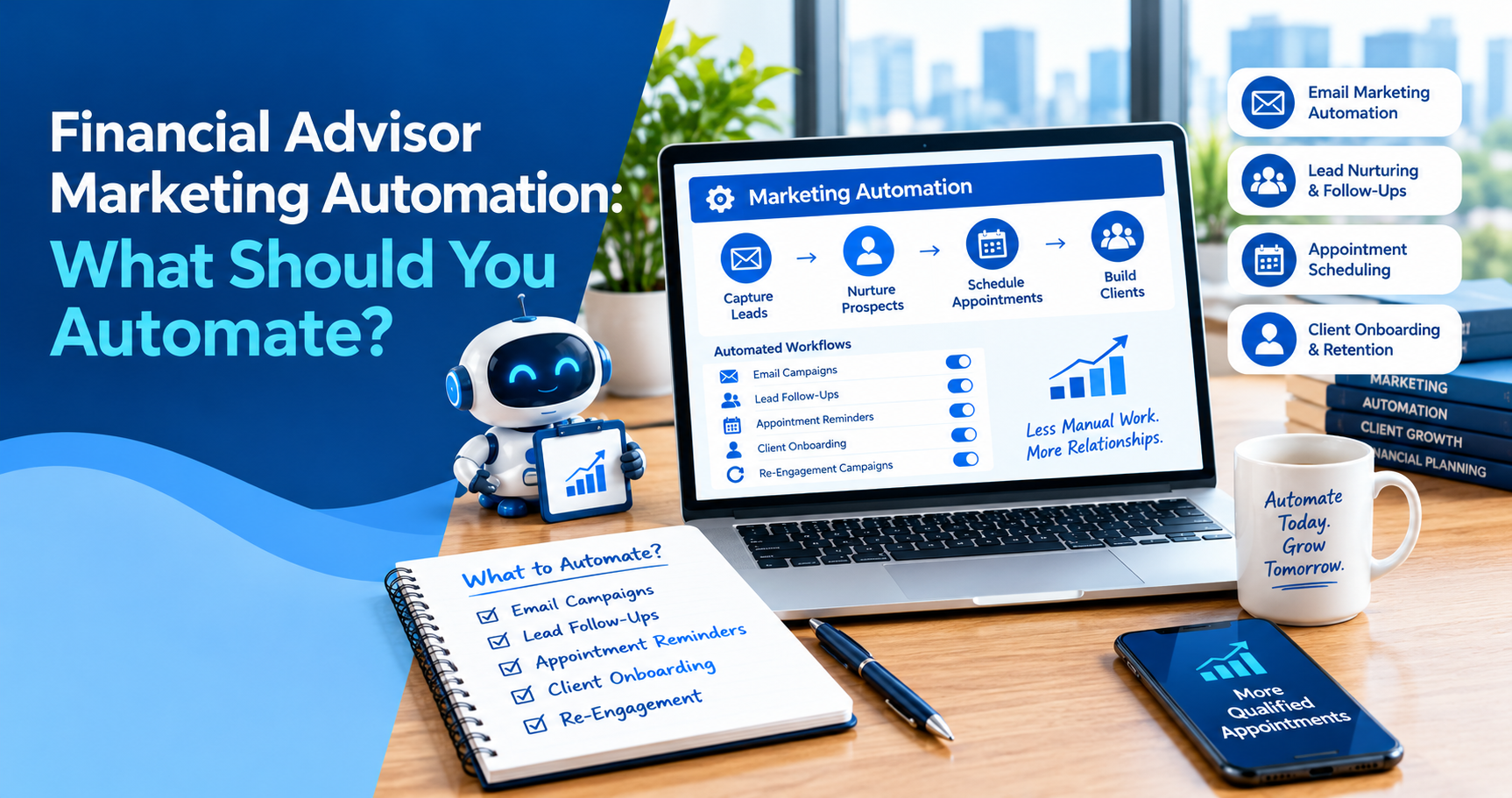
Depending on the tools and permissions involved, automation can acknowledge inquiries, create tasks, send reminders, update lead records, route prospects to the appropriate team member, and provide appointment-booking options.
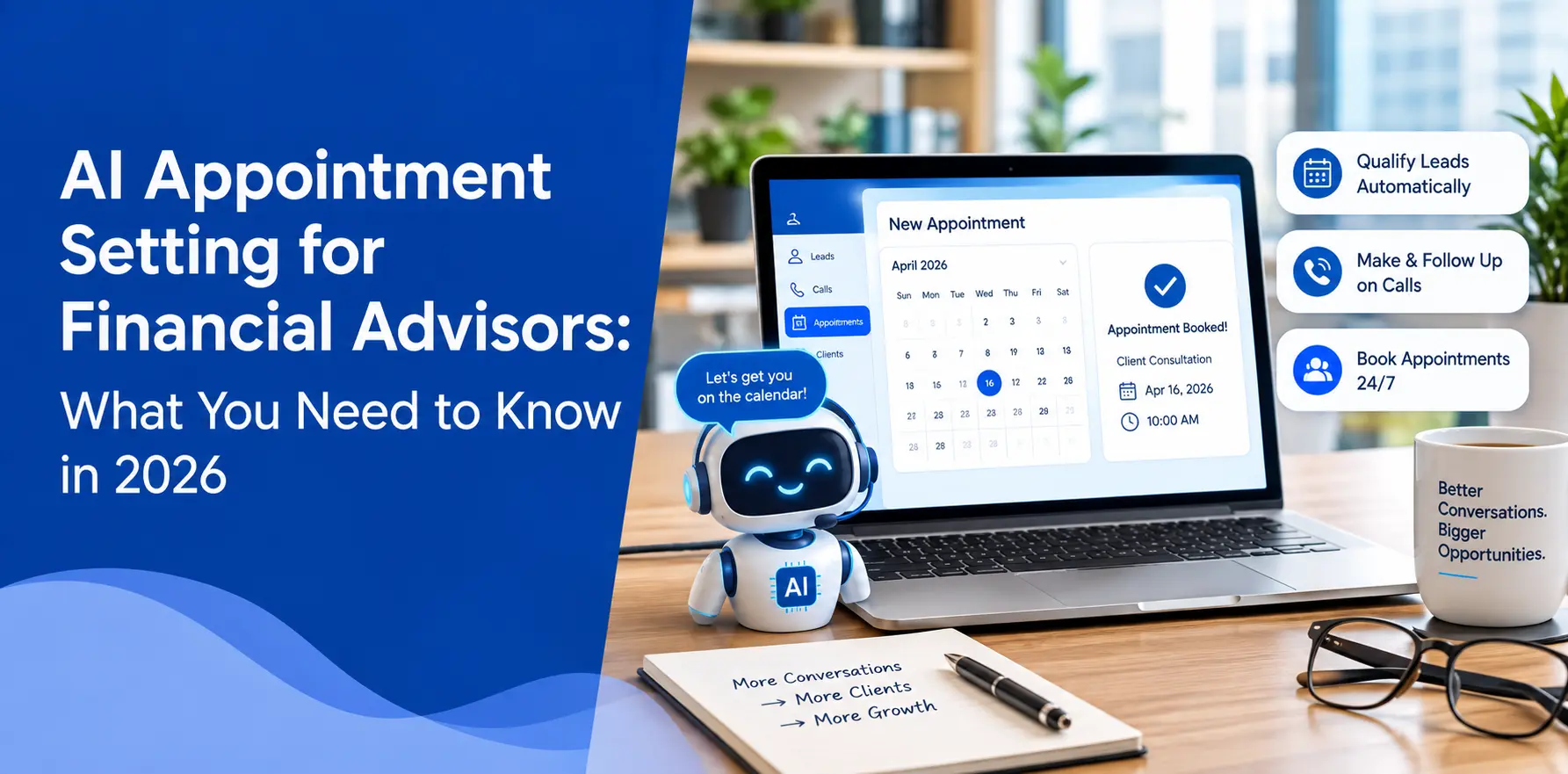
For example, when a prospect requests information about an insurance product, a system might record the inquiry, notify the assigned agent, and send an approved confirmation. If the agent does not complete the next action, the system can create a reminder. Similar automation can help financial services teams manage prospect follow-ups, qualify leads, and schedule meetings through AI appointment setting for financial advisors.
When the prospect responds, the workflow can notify the agent so that a human can continue the conversation.
What automation can help with
- Responding to new inquiries with an appropriate acknowledgment.
- Creating follow-up tasks and reminders.
- Keeping contact records organized.
- Sending permitted appointment confirmations.
- Routing leads according to product interest or service area.
- Identifying leads that need human attention.
- Tracking booked appointments and follow-up outcomes.
What automation should not replace
Automation should not make unsupported promises about coverage, eligibility, premiums, or policy approval. Complex insurance questions may require a licensed professional who understands the relevant product and applicable requirements.
The best approach combines automation for routine coordination with human judgment for qualification, advice, and meaningful conversations. Learn more about AI vs. human appointment setting for financial advisors to understand how both approaches can work together to improve the appointment-setting process.
How to Qualify Insurance Leads Before Booking a Call
Booking more calls is useful only when those appointments are relevant to the agency and the prospect.
Lead qualification helps agents understand whether a conversation is appropriate before allocating time to it.
Depending on the insurance product and the agency’s process, useful questions may include:
- What type of insurance information are you looking for?
- Are you exploring options or looking for coverage soon?
- What questions would you like to discuss with an agent?
- When would you prefer to have a conversation?
- Is there a particular service area or coverage requirement that matters to you?
The questions should be relevant, proportionate, and appropriate for the stage of the conversation. Avoid collecting unnecessary sensitive personal or financial information through an initial automated form.
Distinguish between three lead stages
New lead: Someone who has expressed interest but has not yet been contacted or assessed.
Qualified prospect: Someone whose stated needs appear relevant to the agency’s services and who may benefit from a conversation.
Booked appointment: A prospect who has agreed to a specific meeting time.
These stages should be tracked separately. Otherwise, an agency may confuse the number of incoming leads with the number of genuine sales opportunities.
How Do Email, Phone Calls, and Text Messages Work Together?
Different communication channels serve different purposes. A coordinated approach can help insurance agents reach prospects without sending repetitive or unnecessary messages.
Phone calls
Calls allow agents to ask questions, understand a prospect’s needs, and explain the next steps. They can be useful when a prospect has requested a call or when the circumstances support direct contact.
Email can acknowledge inquiries, provide requested information, confirm appointments, and support ongoing communication. Messages should be relevant to the recipient and follow applicable consent, privacy, and marketing requirements.
Text messages
Text messages can be useful for appointment coordination, confirmations, and reminders when the prospect has provided the necessary permission and the communication complies with applicable rules.
A sample insurance lead follow-up sequence
The following is an illustrative workflow. It is not a requirement to contact every prospect through every channel.
Stage | Follow-up action | Objective |
After inquiry submission | Record the lead and send an appropriate acknowledgment, if permitted | Confirm receipt |
First available opportunity | Make a relevant contact attempt through an appropriate channel | Start a conversation |
If there is no response | Send a brief, useful follow-up when permitted | Make it easy to reply |
After the prospect responds | Ask relevant qualification questions | Understand the prospect’s needs |
Once a call is appropriate | Offer available times or a booking link | Schedule an appointment |
Before the meeting | Send a permitted confirmation or reminder | Reduce scheduling confusion |
If the prospect is not ready | Arrange future contact only when appropriate | Maintain a respectful relationship |
The timing between these steps should depend on the lead source, the prospect’s preferences, the agency’s service standards, and applicable communication rules.
Do not continue contacting someone who has opted out or asked not to be contacted through that channel. Using AI appointment setting for financial advisors can help financial agencies manage follow-ups, organize lead communication, and schedule appointments while respecting contact preferences and consent requirements.
How Can Insurance Agencies Use CRM and Marketing Automation?
A CRM system helps insurance agencies manage leads, track conversations, and organize follow-up tasks in one place. Marketing automation can reduce repetitive work and help agents respond more consistently.
Key CRM and Automation Features
- Lead assignment: Direct inquiries to the appropriate agent.
- Follow-up reminders: Create tasks to prevent missed callbacks.
- Communication history: Keep relevant contact records and interaction notes organized.
- Appointment scheduling: Manage bookings and send permitted reminders.
- Performance reporting: Track contact rates, qualified leads, and booked calls.
- Lead-source tracking: Identify which marketing channels generate meaningful inquiries.
CRM and automation work best when combined with clear responsibilities and a consistent follow-up process. The tools support the team but cannot replace effective communication and proper lead management.
Manual vs. Automated Insurance Lead Follow-Up
Both approaches have a place in an insurance agency. Manual communication allows for personal judgment, while automation helps manage routine and repetitive tasks.
Area | Manual follow-up | Automated follow-up |
Initial response | Depends on agent availability and awareness | Can trigger an approved acknowledgment or notification |
Reminders | Relies on personal calendars or notes | Can create tasks and reminders automatically |
Personalization | Allows direct adaptation to each conversation | Requires thoughtful templates and workflow rules |
Lead tracking | May involve separate spreadsheets and inboxes | Can centralize records in a CRM |
Appointment booking | May require several scheduling messages | Can offer calendar links and booking options |
Complex questions | Allows an agent to use professional judgment | Should route questions requiring human attention |
Best use | Advice, qualification, and personal conversations | Routine coordination, tracking, and reminders |
For many agencies, a hybrid approach is practical. Automation helps keep the process moving, while agents handle conversations that require context, expertise, or individual attention.
What Common Insurance Lead Follow-Up Mistakes Should Agents Avoid?
Even a well-designed workflow can underperform when communication is poorly managed.
Avoid these common mistakes:
- Sending the same message repeatedly. Generic follow-ups can make the agency appear inattentive. Refer to the prospect’s actual inquiry and give each message a clear purpose.
- Focusing only on speed. Fast contact is valuable, but an irrelevant or confusing response may not help the prospect move forward.
- Contacting leads without appropriate permission. Agencies must account for applicable rules governing calls, automated dialing, text messages, email marketing, and opt-outs.
- Booking unqualified appointments. Scheduling every lead can inflate appointment numbers without creating meaningful sales opportunities.
- Failing to update records. If an agent contacts a prospect but does not record the outcome, other team members may repeat the same outreach or miss the next step.
- Using automation without oversight. Incorrect templates, broken integrations, and poorly configured routing can create more problems than they solve.
- Ignoring appointment quality. A booked meeting is not the same as a completed conversation or a suitable business opportunity.
The goal is to create a consistent, respectful process that supports both the prospect’s experience and the agency’s business objectives.
How to Measure Insurance Lead Follow-Up Performance
Insurance agencies should measure the full journey from inquiry to appointment rather than relying on lead volume alone.
Start with these metrics:
- First-response time: The elapsed time between an inquiry arriving and the first meaningful response or contact attempt. Track these separately if necessary.
- Contact rate: The percentage of leads with whom the team establishes contact.
- Qualification rate: The percentage of leads that meet the agency’s relevant qualification criteria.
- Appointment-booking rate: The percentage of leads that schedule a call.
- Show rate: The percentage of booked appointments that actually take place.
- Appointment-to-client conversion: The percentage of completed appointments that lead to a new client, where appropriate and measurable.
For example, an agency might discover that its agents respond quickly but book relatively few calls. That could indicate a need to improve qualification, clarify the value of the consultation, or simplify scheduling. Reviewing the financial advisor appointment scaling process can help agencies identify ways to improve follow-up, streamline scheduling, and turn more qualified leads into booked appointments.
Another agency may book plenty of appointments but experience frequent no-shows. Appointment confirmations, clearer expectations, and appropriate reminders may deserve more attention.
Review results by lead source, campaign, and agent where useful. This helps identify bottlenecks instead of assuming that every problem requires more leads.
When Should an Insurance Agency Consider Appointment-Setting Support?
Some agencies have enough inquiries but lack the time, staffing, or systems to manage every follow-up consistently.
Appointment-setting support may be worth considering when:
- New inquiries frequently go unanswered.
- Agents spend too much time on repetitive administrative tasks.
- Leads come from several marketing channels with no central tracking.
- Follow-up quality varies considerably between team members.
- Interested prospects struggle to schedule a call.
- Agency owners cannot clearly identify why leads fail to progress.
External support can help an agency assess its workflow, establish lead-routing rules, improve follow-up consistency, and create a clearer process for booking qualified appointments. Implementing a financial advisor retargeting strategy can also help agencies reconnect with potential clients who have previously shown interest in their services.
For agencies and insurance marketing organizations, the priority should be to identify where the existing process breaks down before adding another tool or service.
Revenx provides a starting point for exploring lead management and appointment-setting support. The right solution depends on the agency’s lead volume, staffing, product mix, and current sales process.
How to Improve Your Insurance Lead Follow-Up Strategy
For agencies and insurance marketing organizations, the priority should be to identify where the existing process breaks down before adding another tool or service.
Improving insurance lead follow-up does not require changing every part of an agency’s sales process at once. Begin by identifying the most significant bottleneck and fixing it first.
Use this practical checklist:
- Measure the current first-response time.
- Assign clear responsibility for new inquiries.
- Establish a consistent follow-up process.
- Prepare relevant, approved communication templates.
- Use a CRM or centralized system to track lead activity.
- Define appropriate lead qualification criteria.
- Simplify appointment booking.
- Review contact rates, booking rates, and show rates.
- Check consent, privacy, and opt-out procedures.
- Improve the process based on actual results.
Start with the steps that are easiest to implement and have the clearest connection to your current challenges. As the process becomes more consistent, consider whether automation or dedicated appointment-setting support could reduce administrative work further.
Final Thoughts: Turn More Insurance Leads Into Booked Calls
Generating insurance leads is only the first step. Agents also need a reliable process for responding to inquiries, understanding prospects’ needs, following up appropriately, and making it easy to schedule a conversation. Exploring insurance advisory services can also help agencies better understand the support available for guiding prospects through their insurance decisions.
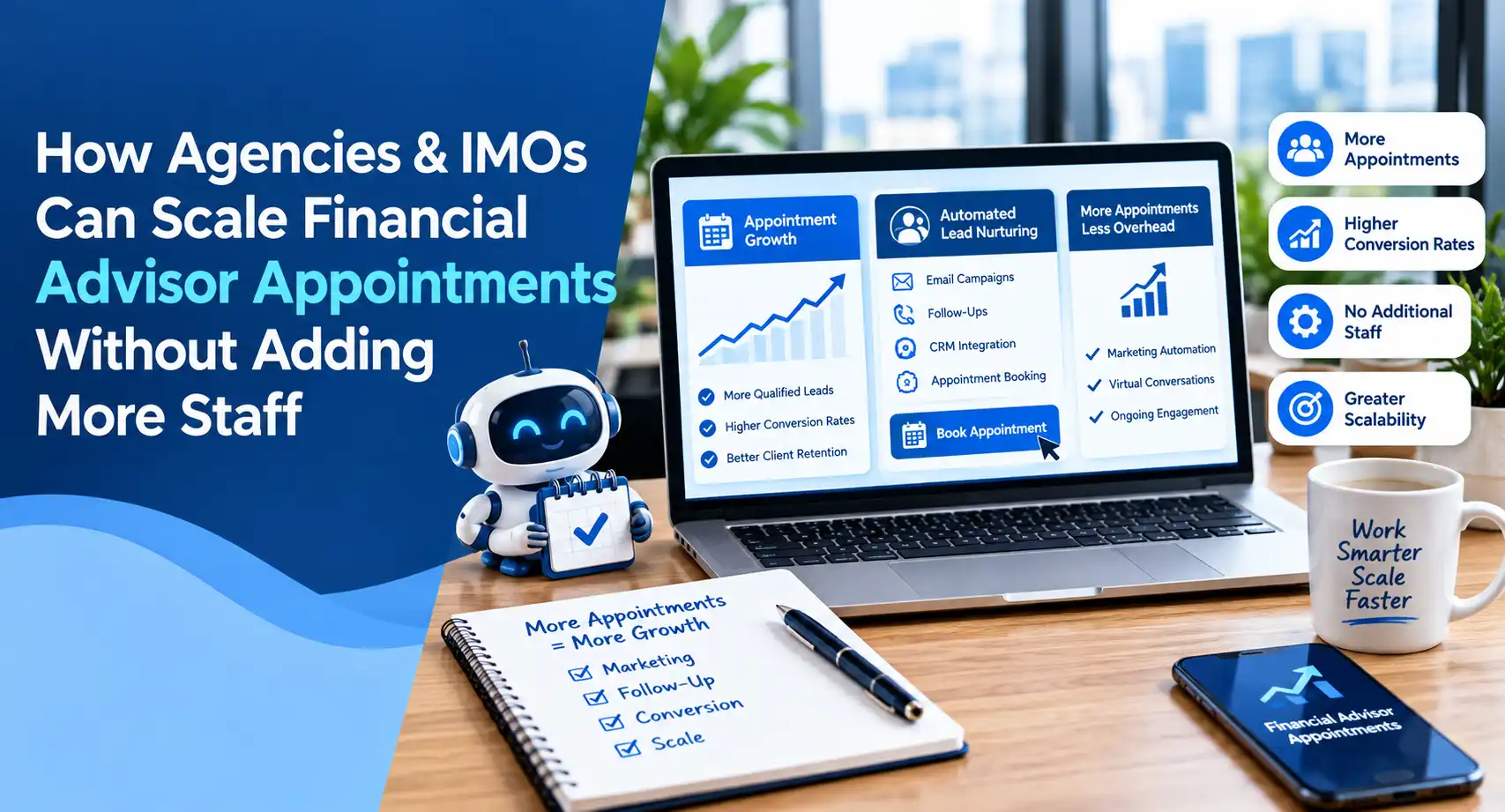
Agencies and IMOs do not necessarily need to add more staff every time they want to increase financial advisor appointments
A strong insurance lead follow-up strategy combines timely responses, relevant communication, clear lead ownership, appropriate automation, and consistent performance tracking. For agencies and IMOs, an organized follow-up process can help manage incoming leads and create more consistent appointment-setting opportunities. It also recognizes that not every inquiry is a good fit and that meaningful conversations require human judgment.
If your agency is receiving leads but struggling to turn them into qualified appointments, start by reviewing your response times and follow-up workflow.
Explore Revenx to learn more about improving lead management and appointment-setting operations. A more organized process can help your team spend less time chasing administrative tasks and more time having relevant conversations with potential clients.
FAQs About Insurance Lead Follow-Up
1. What is insurance lead follow-up?
Insurance lead follow-up is the process of contacting and nurturing potential customers who have expressed interest in an insurance product or service. It includes calls, emails, permitted text messages, lead qualification, and appointment scheduling to help prospects take the next step.
2. How quickly should insurance agents contact new leads?
Insurance agents should aim to respond as promptly as practical after receiving a new inquiry. A defined response-time target, instant lead notifications, and automated acknowledgments can help reduce delays. The ideal response time depends on lead source, staffing, prospect expectations, and the agency’s follow-up process.
3. How many times should an insurance agent follow up with a lead?
The right number of follow-ups depends on the prospect’s interest, previous interactions, and preferred communication method. Agents should use a consistent follow-up schedule, make each contact relevant, and respect consent requirements and requests to stop communication.
4. Can automation help insurance agents book more appointments?
Yes. Automation can help insurance agents acknowledge inquiries, schedule follow-up reminders, organize lead records, and simplify appointment booking. When combined with personalized communication and appropriate lead qualification, these tools can help reduce administrative delays. However, results depend on lead quality and the effectiveness of the overall sales process.
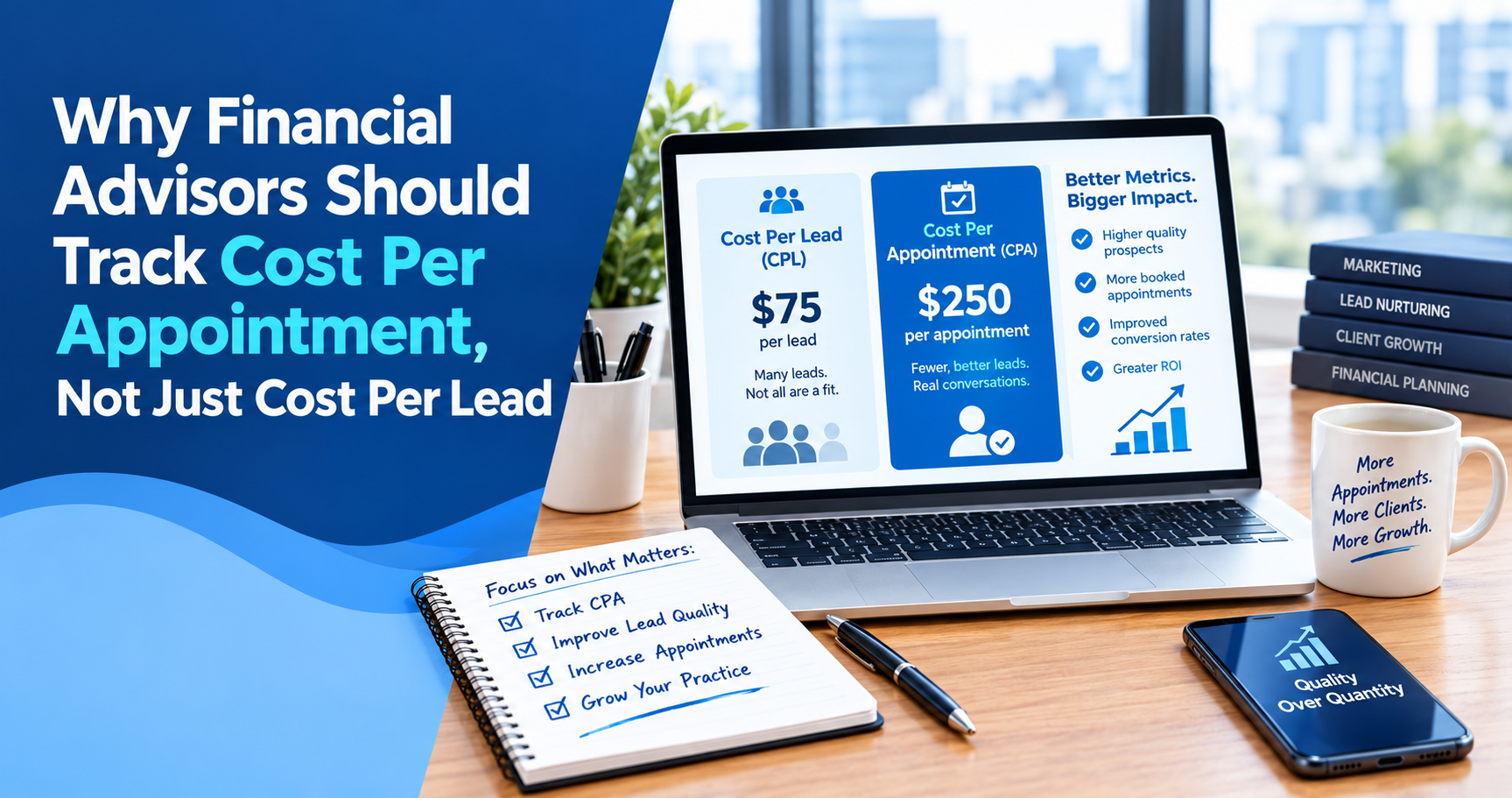
Agencies should track metrics such as lead-to-appointment conversion rate, qualified appointment rate, appointment show rate, no-show rate, cost per appointment, cost per qualified appointment, and advisor conversion rate. These metrics provide a clearer picture of whether the appointment process is actually improving.
5. How can insurance agencies improve lead conversion rates?
Insurance agencies can improve lead conversion by responding promptly, following up consistently, qualifying prospects, simplifying appointment scheduling, and tracking key metrics such as contact rate, booking rate, and appointment show rate. A CRM system and suitable automation tools can help agents identify missed opportunities and improve their follow-up process.
Disclaimer:
This article is for informational and educational purposes only and does not constitute legal, insurance, or compliance advice. Insurance agents and agencies should verify applicable federal and state requirements for calls, texts, emails, consent, privacy, and opt-outs before implementing lead follow-up or marketing automation practices.