- Written & Reviewed by Jeremy
- Published
- Last Updated Jul 21, 2026
Growing an insurance agency isn’t just about selling policies, it’s about becoming the trusted insurance expert in your community. While referrals and word-of-mouth remain valuable, today’s customers often start their search online before contacting an agent. If your agency isn’t visible where people are searching, you’re likely losing potential clients to competitors.
Successful insurance agent marketing ideas combine traditional relationship-building with modern digital strategies. Whether you’re an independent insurance agent, a Medicare advisor, or run a local insurance agency, building a strong local presence can generate a steady stream of qualified leads.
In this guide, you’ll discover practical and proven insurance marketing strategies that help improve local visibility, build trust, and create long-term relationships with potential clients.
Why Local Marketing Matters for Insurance Agents
Insurance is built on trust. Most people prefer working with an agent who understands their local community, regulations, and unique coverage needs. Whether someone is searching for auto insurance, life insurance, Medicare plans, or business insurance, they often choose an agent nearby.
This makes local insurance marketing one of the most effective ways to grow your agency.
Benefits of focusing on local marketing include:
- Higher visibility in Google Maps and local search results
- Increased credibility through customer reviews
- Better-quality leads from nearby prospects
- Stronger community recognition
- Higher conversion rates compared to broad advertising
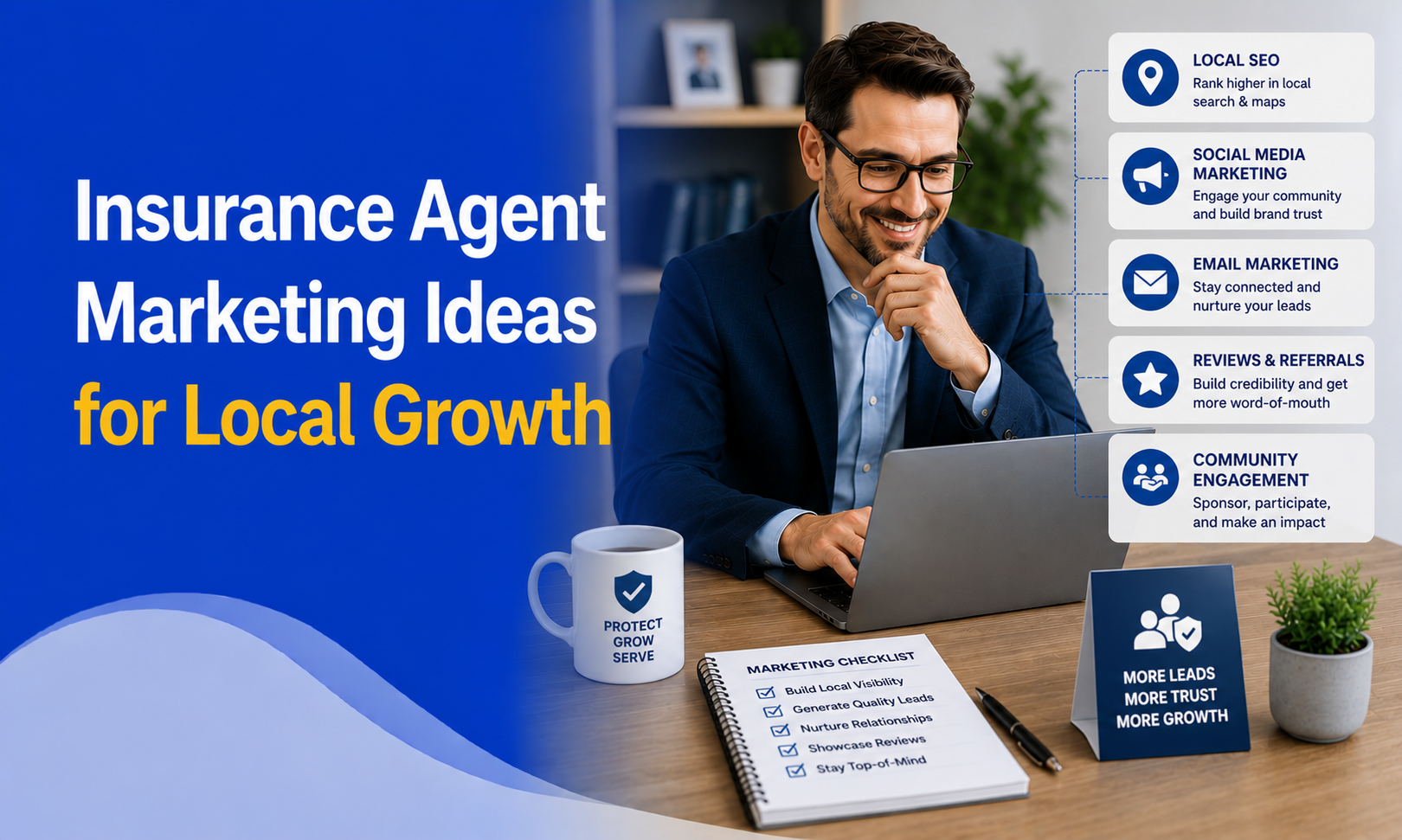
By combining local SEO, community engagement, and digital marketing, insurance agents can consistently attract clients who are already looking for their services.
10 Insurance Agent Marketing Ideas for Local Growth
There isn’t a single marketing tactic that guarantees success. The most effective insurance agencies use a mix of strategies that work together to attract, nurture, and convert local prospects.
Let’s explore the most effective ideas.
1. Optimize Your Google Business Profile
When someone searches for “insurance agent near me” or “life insurance in [city],” your Google Business Profile (GBP) is often the first thing they see.
A fully optimized profile increases your chances of appearing in Google’s Local Pack, making it easier for nearby customers to find and contact you.
Here’s how to improve your profile:
- Complete every business detail, including hours, phone number, and website.
- Select the most relevant business categories.
- Upload high-quality office and team photos.
- Post regular updates about your services or community events.
- Encourage satisfied clients to leave reviews.
A well-maintained Google Business Profile not only improves local visibility but also builds confidence before a prospect even visits your website.
2. Invest in Local SEO
One of the most sustainable insurance marketing strategies is local SEO. Instead of paying for every click, local SEO helps your website appear organically when people search for insurance services in your area.
Some essential local SEO for insurance agents practices include:
- Target city- and neighborhood-specific keywords.
- Create dedicated service pages for each insurance product.
- Maintain consistent business information (Name, Address, Phone Number) across directories.
- Optimize title tags, headings, and meta descriptions.
- Improve your insurance website optimization with fast loading speeds and mobile responsiveness.
Over time, strong local SEO can become one of your most valuable sources of qualified insurance leads.
3. Build a High-Converting Insurance Website
Your website should do more than explain your services; it should encourage visitors to take action.
Many insurance agencies lose potential clients because their websites are outdated, slow, or difficult to navigate.
An effective insurance website should include:
- A clean, mobile-friendly design
- Fast page loading speeds
- Clear calls-to-action such as “Request a Quote” or “Schedule a Consultation“
- Easy-to-find contact information
- Dedicated pages for each insurance product
- Client testimonials and trust badges
- Educational resources and FAQs
Remember, your website often creates the first impression of your agency. Investing in a professional, user-friendly experience can significantly improve conversion rates and support your overall insurance agent marketing efforts.
4. Publish Helpful Content That Answers Customer Questions
Most people don’t purchase insurance the first time they visit a website. They spend time researching coverage options, comparing policies, and looking for trustworthy advice before making a decision. This is where content marketing becomes a powerful tool.
Instead of creating sales-focused content, publish educational resources that help people make informed decisions. When your agency consistently answers the questions your audience is already searching for, you build credibility long before they contact you.
Some content ideas include:
- Auto insurance buying guides
- Medicare enrollment tips
- Home insurance checklists
- Business insurance FAQs
- Life insurance myths and facts
- Claims process explained
- Coverage comparison articles
This approach strengthens your insurance agency marketing efforts while also supporting your SEO strategy. Over time, helpful content attracts organic traffic and positions your agency as a trusted local resource.
5. Stay Active on Social Media
Social media isn’t just about posting promotional offers. It’s an opportunity to build relationships with your local community and stay top of mind.
Many insurance buyers want to work with someone they know and trust. Regular activity on platforms like Facebook, LinkedIn, and Instagram helps potential clients become familiar with your agency before they ever request a quote.
Ideas for social media content include:
- Insurance tips and seasonal reminders
- Client success stories (with permission)
- Community event participation
- Team introductions
- Local business partnerships
- Short educational videos
- Frequently asked insurance questions
Consistent social media marketing for insurance agents creates familiarity, encourages engagement, and strengthens your local brand.
6. Build Relationships Through Email Marketing
Not every visitor is ready to purchase insurance immediately. That’s why email marketing remains one of the most effective ways to stay connected with potential and existing clients.
Instead of sending only promotional emails, focus on delivering value throughout the year.
Your email campaigns could include:
- Policy renewal reminders
- Coverage updates
- Educational newsletters
- Seasonal insurance tips
- Local weather preparedness advice
- Referral incentives
- Customer appreciation messages
Well-planned email marketing for insurance agents helps maintain long-term relationships while increasing customer retention and repeat business.
7. Ask Happy Clients for Reviews
Online reviews influence buying decisions more than ever. Before contacting an insurance agent, many prospects read Google reviews to understand other customers’ experiences.
Positive reviews also improve local search visibility and increase trust.
Encourage satisfied clients to leave reviews by:
- Sending a follow-up email after policy purchase
- Including a review link in your email signature
- Asking after a successful claims experience
- Making the review process simple and convenient
Always respond professionally to both positive and negative reviews. This demonstrates that you value customer feedback and care about client satisfaction.
8. Create a Referral Network
Referrals continue to be one of the highest-converting lead sources for insurance agents.
Instead of relying only on existing clients, build referral partnerships with professionals who serve similar audiences.
Potential referral partners include:
- Realtors
- Mortgage brokers
- Financial advisors
- Car dealerships
- Tax professionals
- Local business owners
- Attorneys
These relationships can generate a consistent stream of qualified local prospects without relying entirely on paid advertising.
9. Run Local Paid Advertising
While SEO provides long-term growth, paid advertising helps generate leads more quickly.
Platforms such as Google Ads and Facebook Ads allow insurance agencies to target specific cities, ZIP codes, demographics, and interests.
Effective local advertising campaigns should:
- Focus on one insurance product at a time
- Use location-based targeting
- Include compelling headlines
- Direct visitors to dedicated landing pages
- Track phone calls and form submissions
A well-managed campaign supports insurance lead generation by connecting your agency with people actively searching for insurance solutions.
10. Get Involved in Your Community
People naturally trust businesses they recognize within their local community.
Supporting local organizations not only strengthens your reputation but also creates valuable networking opportunities.
Ways to increase community visibility include:
- Sponsoring youth sports teams
- Participating in charity events
- Hosting educational insurance workshops
- Joining local business associations
- Attending networking events
- Supporting school fundraisers
Community involvement builds long-term brand recognition while reinforcing your agency’s commitment to helping local residents.
Traditional Marketing vs Digital Marketing for Insurance Agents
Traditional Marketing | Digital Marketing |
Flyers | Local SEO |
Newspaper advertisements | Google Business Profile |
Cold calling | Content marketing |
Direct mail campaigns | Social media marketing |
Networking events | Email marketing |
Billboards | Google Ads |
Both approaches have value, but digital marketing offers better targeting, measurable results, and long-term scalability. Combining both creates a balanced strategy for sustainable local growth.
How to Measure Your Local Marketing Success
Marketing is only effective if you know what’s working. Many insurance agents invest in SEO, social media, or advertising without tracking results, making it difficult to identify which efforts are generating leads.
Instead of focusing only on website traffic or social media followers, pay attention to metrics that directly impact your business growth.
Website Traffic
Your website should attract visitors who are actively searching for insurance services in your area. Monitor how many people visit your site each month and identify which pages receive the most traffic. If your blog articles and service pages are attracting consistent visitors, your content and SEO strategy are working.
Google Business Profile Performance
Your appointments provide valuable insights into how potential customers interact with your business.
Track metrics such as:
- Search views
- Google Maps views
- Phone calls
- Website clicks
- Direction requests
An increase in these metrics often indicates stronger local visibility.
Lead Generation
Traffic alone doesn’t grow if your agency qualified leads do.
Measure:
- Quote requests
- Contact form submissions
- Phone inquiries
- Consultation bookings
- Email sign-ups
These actions show whether your marketing is attracting people who are genuinely interested in your services.
Conversion Rate
Your conversion rate reveals how many website visitors actually become leads.
For example, if 500 people visit your website in a month and 25 request a quote, your conversion rate is 5%.
Improving website design, call-to-action buttons, and landing pages can significantly increase this percentage.
Customer Reviews
A growing number of positive reviews reflects both customer satisfaction and stronger local trust.
Monitor:
- Total review count
- Average rating
- Review frequency
- Customer feedback trends
Reviews also play an important role in local search rankings.
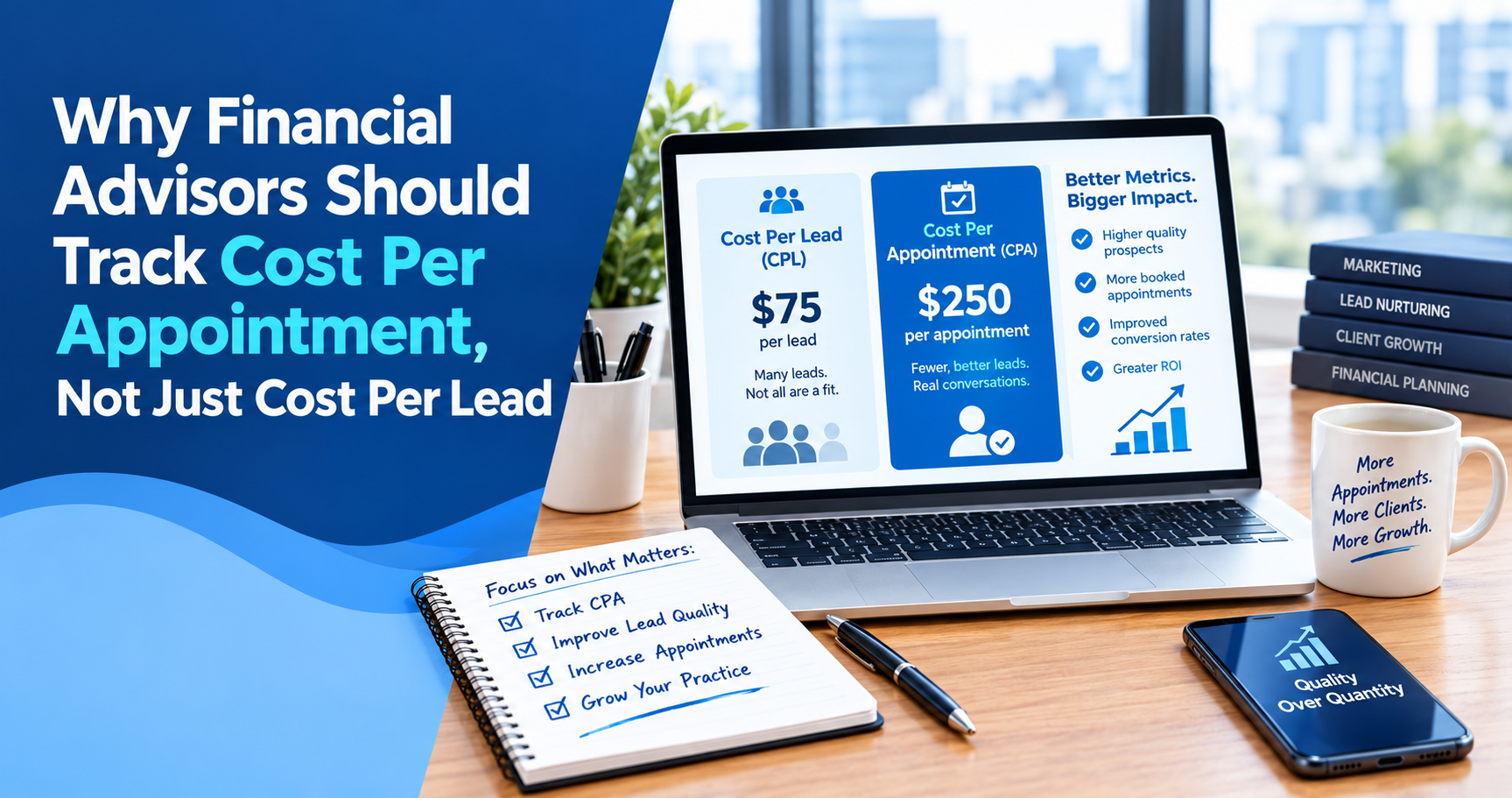
Cost Per Lead
If you’re running paid advertising, calculate how much each lead costs.
For example:
- Monthly ad spend: $1,000
- Leads generated: 40
Cost per lead = $25
Tracking this metric helps determine whether your campaigns are profitable and where optimization is needed.
Common Insurance Marketing Mistakes to Avoid
Even with the best intentions, many insurance agencies make marketing mistakes that limit growth. Avoiding these common issues can improve your results significantly.
Trying Every Marketing Channel at Once
It’s tempting to be active on every platform, but spreading your efforts too thin often leads to inconsistent results.
Instead, focus on a few high-impact channels such as local SEO, Google Business Profile, content marketing, and email marketing and execute them consistently.
Ignoring Local SEO
Many agencies invest heavily in paid advertising while overlooking local SEO.
Without strong local optimization, your business may miss out on valuable organic traffic from people searching for insurance services in your area.
Having an Outdated Website
Your website is often the first impression potential clients have of your agency.
Common issues include:
- Slow loading speed
- Poor mobile experience
- Confusing navigation
- Missing contact information
- Weak calls-to-action
A modern, user-friendly website builds trust and encourages visitors to take the next step.
Failing to Follow Up with Leads
Many prospects aren’t ready to purchase immediately.
Without follow-up emails, phone calls, or educational content, those potential clients may choose another agency that stays in touch.
Consistent follow-up is one of the simplest ways to improve conversion rates.
Ignoring Customer Reviews
Online reviews influence purchasing decisions.
Not asking satisfied clients for reviews or failing to respond to feedback can weaken your online reputation and reduce trust among prospective customers.
Measuring Vanity Metrics Instead of Business Growth
A large number of social media followers doesn’t necessarily translate into more policies sold.
Focus on metrics that directly impact revenue, including:
- Qualified leads
- Appointment bookings
- Policy sales
- Customer retention
- Return on marketing investment
When Should You Hire a Marketing Agency?
Managing marketing while serving clients can quickly become overwhelming.
If you’re spending more time trying to learn SEO, run ad campaigns, or create content than meeting with clients, it may be time to seek professional support.
Here are a few signs your agency could benefit from working with a marketing partner:
- Your website receives traffic but generates few leads.
- You don’t appear in local Google searches.
- Marketing efforts feel inconsistent or unorganized.
- You’re relying only on referrals for new business.
- You don’t have time to create content or manage campaigns.
- You want to scale your agency but lack a structured marketing strategy.
A specialized marketing agency can help develop a long-term plan tailored to the insurance industry, allowing you to focus on serving clients while your marketing works consistently in the background.
Final Thoughts
Growing an insurance agency locally requires more than occasional advertising or relying solely on referrals. Today’s consumers expect businesses to have a strong online presence, helpful educational content, positive reviews, and an easy way to connect.
The most successful insurance agents combine local SEO, Google Business Profile optimization, valuable content, social media engagement, email marketing, community involvement, and referral partnerships into one consistent strategy.
Instead of chasing every new marketing trend, focus on building trust within your local market. Over time, these efforts create a steady pipeline of qualified prospects and long-term client relationships.
At Revenx, we help insurance agencies and financial professionals grow through tailored
Frequently Asked Questions
1. What are the best insurance agent marketing ideas for local growth?
The most effective insurance agent marketing ideas include optimizing your Google Business Profile, investing in local SEO, creating educational content, staying active on social media, using email marketing, collecting customer reviews, building referral partnerships, running local paid ads, and participating in community events. Combining these strategies helps generate consistent local leads and build long-term trust.
2. How can insurance agents get more local clients?
Insurance agents can attract more local clients by improving their online visibility through local SEO, maintaining an optimized Google Business Profile, publishing valuable content, encouraging customer reviews, networking with local businesses, and running targeted advertising campaigns. Consistent follow-up with leads also plays a major role in converting prospects into clients.
3. Does local SEO work for insurance agencies?
Yes. Local SEO is one of the most effective long-term marketing strategies for insurance agencies. By optimizing your website for location-based keywords, maintaining consistent business information, and improving your Google Business Profile, you increase your chances of appearing in local search results when potential clients are actively looking for insurance services.
4. How important is Google Business Profile for insurance agents?
Google Business Profile is essential for local insurance marketing. It helps your agency appear in Google Maps and local search results, making it easier for nearby customers to find your business. An optimized profile with accurate information, quality photos, and positive reviews can significantly improve visibility and trust.
5. What is the best digital marketing strategy for insurance agents?
There isn’t a single strategy that works for every agency. The best approach combines local SEO, content marketing, email marketing, social media engagement, website optimization, and paid advertising. Using multiple channels together creates a stronger and more sustainable marketing system than relying on a single tactic.
Disclaimer
This article is for informational purposes only and does not constitute legal, financial, insurance, or professional marketing advice. Results may vary based on your agency, market, and implementation.