
- Written & Reviewed by Jeremy
- Published
- Last Updated Mar 10, 2026
Marketing has evolved from manual effort and guesswork to smarter, data-driven systems powered by artificial intelligence and automation. AI in marketing helps businesses understand audience behavior, predict interests, and create more relevant communication, while automation ensures that repetitive tasks happen consistently without constant manual input. Together, they allow financial advisors to stay visible, engage prospects at the right time, and maintain meaningful communication without adding extra workload.
Instead of spending hours sending emails, posting content, or tracking leads manually, advisors can use automated workflows that run in the background.
These systems help deliver personalized messages, schedule campaigns, and nurture leads efficiently while keeping the human connection intact.
In this blog, you will learn how automation is transforming marketing for financial advisors, the difference between manual and automated systems, why automation is essential today, and the key areas where automation tools can support sustainable business growth.
Difference Between Manual Marketing and Automated Systems
Below are the key differences between traditional manual marketing and automated marketing for financial advisors across different aspects of business growth and execution.
- Time and Effort
Manual marketing requires continuous effort from the advisor or team. Posting content, sending emails, and following up with leads must be done individually. Automated systems allow tasks to run on predefined workflows, reducing daily workload and freeing time for client interactions. - Consistency
Manual marketing often becomes inconsistent due to busy schedules or shifting priorities. Automation ensures campaigns, emails, and social media content go live regularly, maintaining steady brand visibility without interruptions. - Lead Follow Up
In manual systems, leads may be missed or contacted late. Automated marketing triggers instant responses, welcome emails, or nurturing sequences when someone interacts with your website or content, improving conversion opportunities. - Personalization
Manual personalization takes significant time and is difficult at scale. Automated systems use segmentation and behavior-based triggers to deliver relevant content to different audience groups without extra manual work. - Data Tracking and Insights
Manual marketing relies on guesswork or scattered data. Automated platforms track engagement, clicks, and audience behavior in real time, helping advisors make informed decisions. - Scalability
Manual marketing works only up to a certain client volume. As the business grows, maintaining the same level of effort becomes difficult. Automation allows marketing activities to scale without increasing workload proportionally. - Cost Efficiency
Manual efforts often require hiring additional staff as the workload grows. Automation reduces dependency on large teams by handling repetitive tasks through software and workflows. - Integration with Digital Channels
Manual marketing treats email, websites, and social media as separate activities. Automated systems connect these channels, so leads move smoothly from one stage to another. - Speed of Execution
Manual campaigns take longer to plan and launch. Automation enables pre-scheduling and instant deployment based on user actions. - Long Term Growth
Manual marketing depends heavily on daily effort. Automated marketing builds systems that continue working in the background, creating consistent lead generation and brand presence over time.
Why Financial Advisors Need Automation Today
Financial advisors operate in a highly competitive environment where trust, consistency, and communication directly influence growth. Automation is no longer a luxury but a practical necessity. Below are the key reasons advisors need automation today.
- Clients Begin Their Search Online
Most potential clients research advisors before making contact. They read blogs, check social media, and explore websites. Automation helps maintain an active online presence so advisors remain visible during this decision-making stage. - Time Is Limited
Advisors spend most of their day managing portfolios, handling meetings, and ensuring compliance. Marketing often becomes secondary. Automation keeps marketing running without demanding daily attention. - Consistency Builds Trust
Clients trust advisors who show up regularly with valuable insights. Automation allows scheduled content, newsletters, and updates to reach audiences consistently, even during busy periods. - Faster Lead Response Improves Conversion
When a prospect fills out a form or downloads a guide, immediate follow up matters. Automated systems send responses instantly, keeping engagement high and reducing lost opportunities. - Personalized Communication at Scale
Financial clients have different goals and life stages. Automation allows segmentation based on interests or behaviors, helping advisors send relevant messages without manually crafting each email. - Reduced Marketing Stress
Many advisors feel overwhelmed by content creation and social media demands. Automation reduces pressure by allowing content planning in batches and scheduling posts in advance. - Better Client Nurturing
Not every lead is ready to book immediately. Automated email sequences educate prospects over time, keeping the advisor top of mind until they are ready to move forward. - Improved Data-Driven Decisions
Automation platforms provide insights into what content performs best, which emails get opened, and what topics attract leads. This helps advisors refine strategies instead of relying on assumptions. - Stronger Brand Positioning
Regular educational content positions advisors as experts rather than salespeople. Automation ensures this content reaches audiences consistently across channels. - Support for Financial Advisors and Social Media
Social media can feel time-consuming. Automation tools help schedule posts, reuse content, and maintain engagement without constant manual effort, making social media more manageable and effective. - Efficiency Without Losing Human Connection
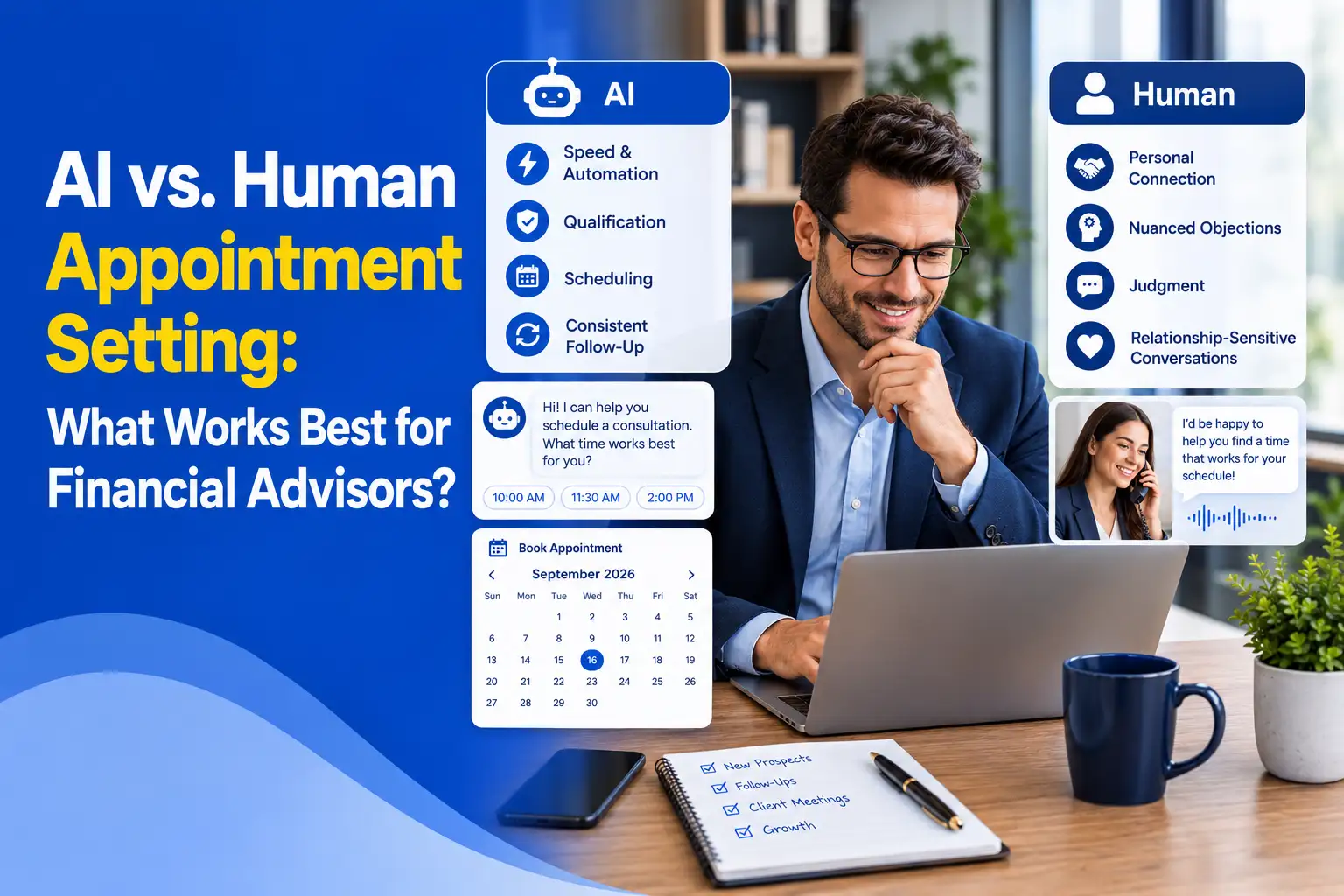
Automation handles repetitive tasks while advisors focus on conversations, planning, and relationship building. It enhances human interaction rather than replacing it. - Scalable Growth Model
As client numbers grow, manual marketing becomes unsustainable. Automation allows advisors to handle more leads and maintain communication without increasing workload dramatically. - Competitive Advantage
Advisors who adopt automation often respond faster, communicate more consistently, and appear more professional online compared to those relying only on manual methods.
- Improved Return on Marketing Efforts
Automation reduces wasted effort by targeting the right audience with the right message at the right time. This leads to higher engagement and better conversion rates. - Long-Term Business Stability
Automated systems continue running regardless of daily workload or unexpected schedule changes. This stability supports predictable lead generation and long-term growth.
Top Automation Tools for Financial Advisors
Financial advisors do not need one single tool for everything. Instead, they should use different types of automation tools based on specific marketing and business functions. Below are the key areas and the type of tools best suited for each.
- Email Marketing Automation Tools
Use these tools for newsletters, lead nurturing sequences, and client updates. They help schedule emails, segment audiences, and personalize communication based on behavior. Ideal for building long-term relationships and keeping leads engaged. - Customer Relationship Management Systems
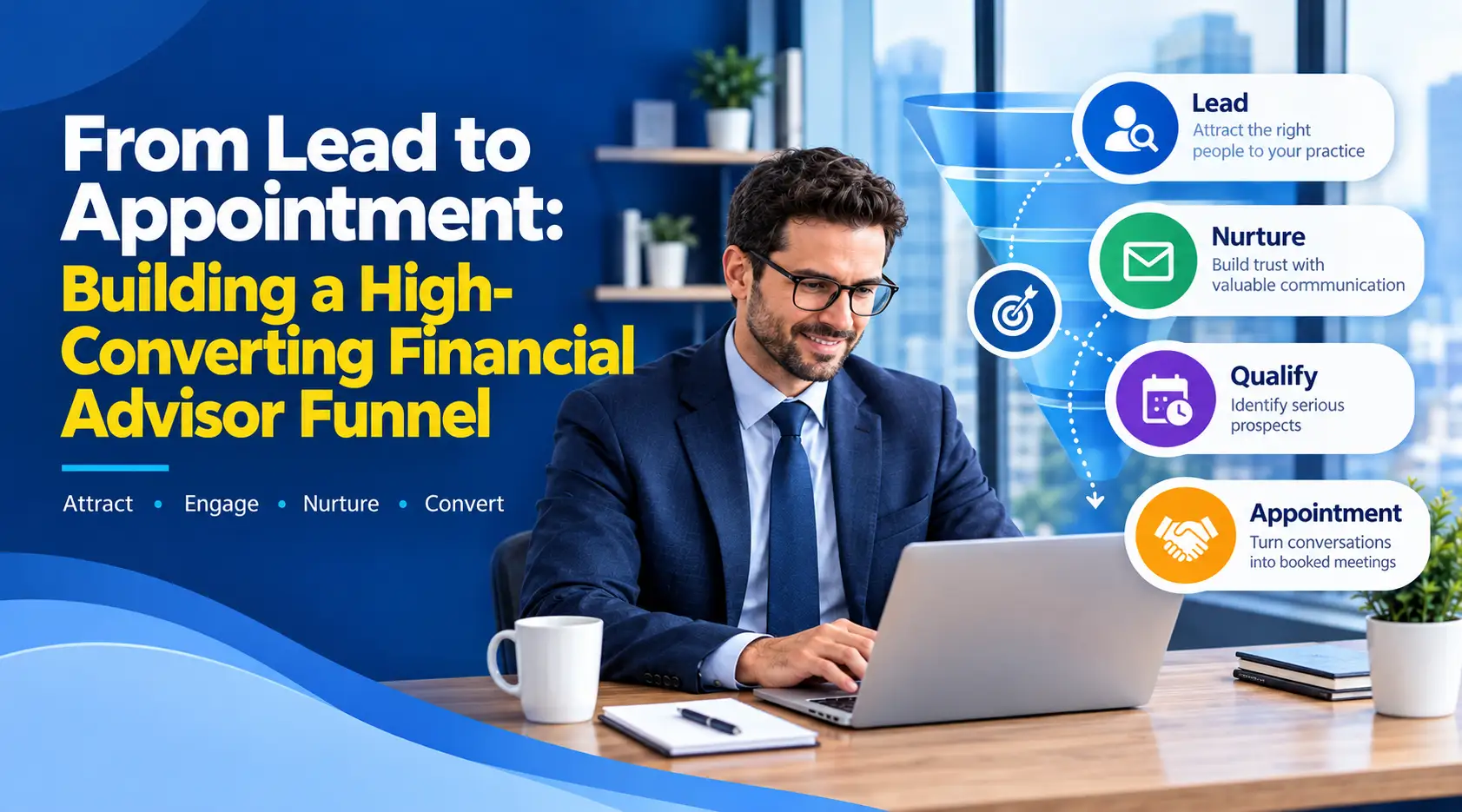
CRM tools organize leads, track interactions, and automate follow-ups. They ensure no prospect is forgotten and help advisors manage communication timelines efficiently. These systems are essential for maintaining structured client journeys. - Social Media Scheduling Tools
For financial advisors and social media management, scheduling tools allow batch content planning, automatic posting, and performance tracking. They help maintain consistent visibility without daily manual posting. - Content Planning and AI Writing Tools
These tools assist with topic generation, content outlines, and drafting educational posts. They reduce creative fatigue and help advisors maintain a steady flow of valuable content aligned with audience interests. - Lead Capture and Landing Page Tools
Automation tools in this category help create forms, landing pages, and downloadable resources that collect lead information. They connect directly with email or CRM systems to start automated follow up sequences. - Analytics and Reporting Tools
These tools track website traffic, email engagement, and social performance. Advisors can identify what works best and optimize their marketing strategy based on real data. - Appointment Scheduling Tools
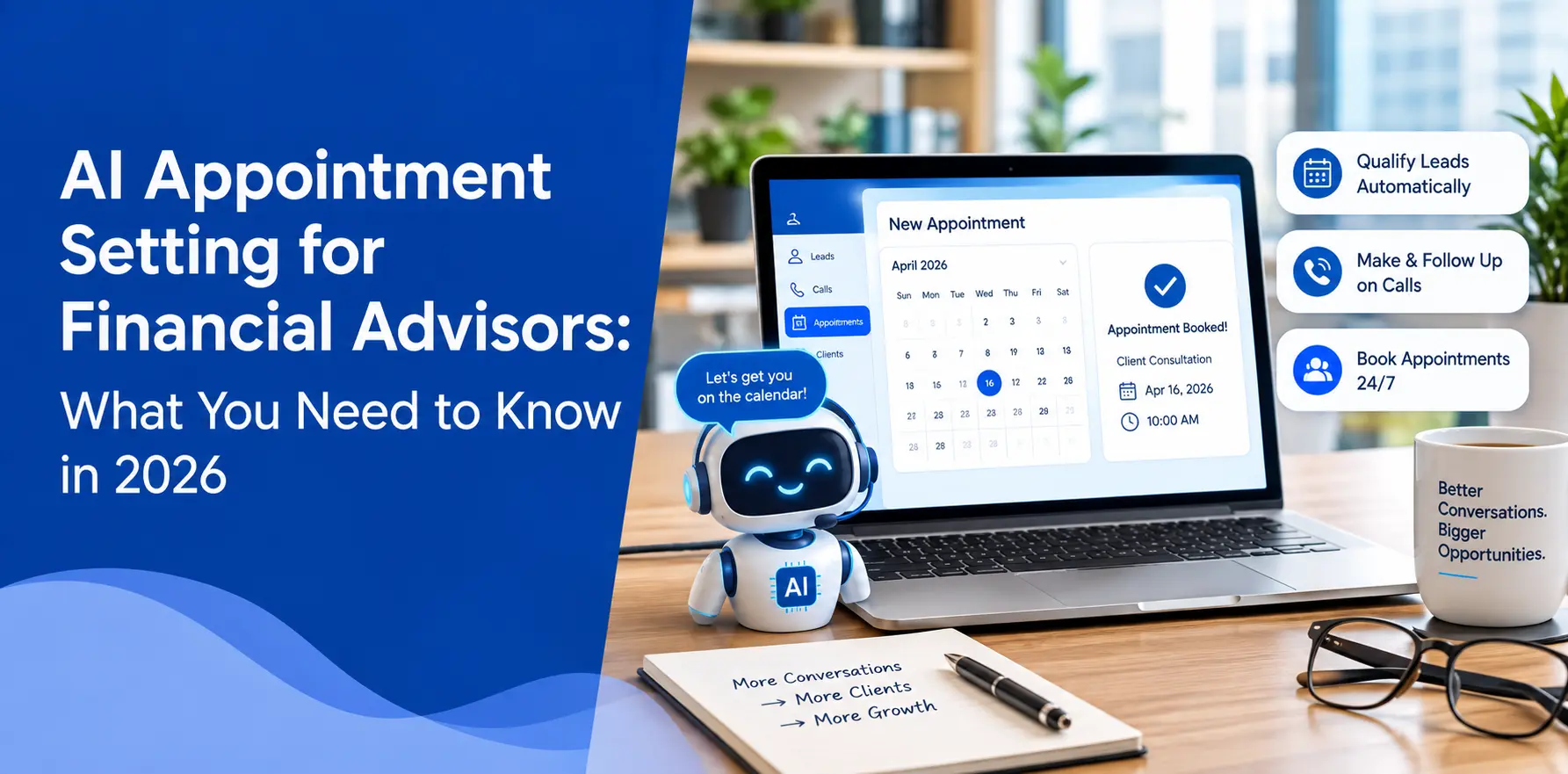
Automated scheduling tools allow prospects to book consultations without back and forth emails. They integrate calendars and send reminders automatically, improving efficiency and reducing missed meetings. - Workflow Automation Platforms
These tools connect multiple systems together. For example, when someone fills out a form, the system can automatically add them to a CRM, trigger an email sequence, and notify the advisor. - Online Marketing Virtual Assistant Solutions
An online marketing virtual assistant supported by automation can manage content distribution, campaign monitoring, and reporting. This combination helps advisors maintain professional marketing execution without building a large internal team.
Using the right mix of tools creates a strong automated marketing foundation. The goal is not to automate everything blindly but to simplify repetitive tasks so advisors can focus on delivering real financial value to clients.
How Can We Help?
Marketing for financial advisors should feel simple, structured, and sustainable. At Revenx, we work quietly in the background to help you build systems that keep your marketing consistent without taking your focus away from clients.
Our role is not to overcomplicate things. We help you set up practical automation that supports real growth, from content planning and email workflows to smoother lead follow-ups and better visibility across digital channels. If you are trying to balance client work with marketing demands, we help bring clarity so your efforts feel more manageable and purposeful.
Schedule a call today and learn how to use automation in a way that still feels personal, professional, and true to your brand.

Final Thoughts
The future of growth for financial advisors lies in systems, not stress. Manual marketing may work for a while, but it often leads to inconsistency and missed opportunities. Automated marketing for financial advisors creates structure, improves response time, and ensures that your expertise reaches the right audience at the right moment.
Automation does not remove the personal touch that defines successful advisory relationships. It strengthens it by giving you more time to focus on strategy, conversations, and trust building. When supported by the right tools and a clear plan, automation becomes a growth engine rather than a technical burden.
The advisors who embrace smart systems today are building stronger brands, steadier pipelines, and more scalable businesses for tomorrow.